
Calvary Church Brighton
a growing evangelical church in the heart of Brighton – preaching and living the gospel of Jesus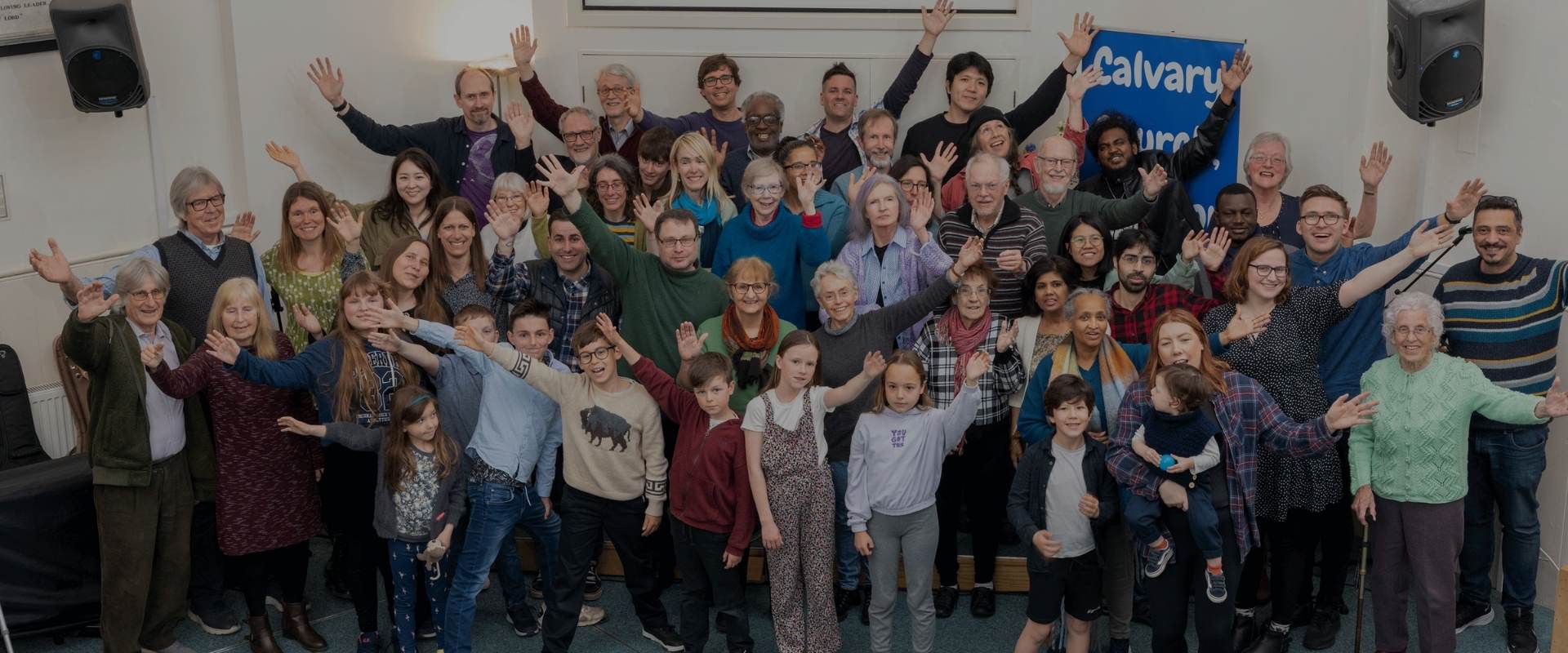

Visit usWhat to expect
Come and join us for the main meeting on Sunday morning at 11:00 followed by tea and coffee, and also the Sunday evening meeting at 18:30 - for bible-teaching, praise, discussion and prayer.
READ MOREPrayer meetings
We believe that prayer is an essential part of our lives as Christians – both individually and as a church. When praying, we come into God’s presence, seek the forgiveness of our sins, give thanks, and ask God for things.
READ MOREHome away from homeStudents & internationals
If you are researching coming to Brighton as a student – then hello! We hope that your time here will be enjoyable and enriching. All students are welcome: it would be great to meet you!
READ MORE
How to find us?
We are located on Viaduct Road in Brighton look for the fire station on

Sundays
Join us on Sunday! We meet at 11am & 6:30pm, here are the details:

What do Christians believe?
Have you ever wondered what Christians actually believe? Click here to find out more.